Household pests are an unwelcome reality for many homeowners and renters. From tiny insects to larger rodents, these creatures not only cause structural damage but also pose significant health risks. Understanding the behavior of common household pests and implementing effective control measures is essential for maintaining a safe, clean, and comfortable living environment. Professional Pest Control Grapevine TX services provide the expertise and resources necessary to manage infestations efficiently, while homeowners can take proactive steps to reduce the likelihood of pests taking hold.
The presence of pests in a home is more than just an inconvenience. They can contaminate food, spread disease, and damage personal property. For this reason, learning to identify different types of pests, understanding what attracts them, and knowing how to control them effectively are vital for anyone concerned about property protection and household safety.
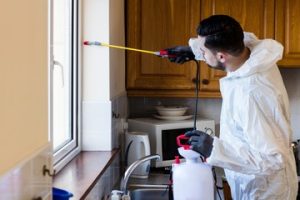
Common Types of Household Pests
Household pests vary widely in size, behavior, and impact. Some of the most common include insects such as ants, cockroaches, termites, and bedbugs, as well as rodents like mice and rats. Each type of pest has unique habits and vulnerabilities, which influence the methods used for control.
- Insects: Insects are among the most frequent household invaders. Ants, for example, can form extensive colonies that are difficult to eradicate. Cockroaches thrive in damp areas and are known carriers of bacteria and allergens. Termites can cause severe structural damage by feeding on wood, while bedbugs hide in mattresses, furniture, and cracks, feeding on human blood at night.
- Rodents: Rodents such as mice and rats are highly adaptable and reproduce quickly. They can enter homes through small openings and cause damage by chewing wires, insulation, and furniture. Rodents also carry diseases and contaminate food supplies, making early detection critical.
Other pests include spiders, silverfish, fleas, and certain types of wildlife that occasionally enter homes, such as raccoons, squirrels, or bats. Identifying the type of pest is the first step in determining the most effective control strategy.
Signs of Household Pest Infestations
Recognizing early signs of infestation is crucial for effective pest management. While some pests are highly visible, others remain hidden until populations are well-established. Property owners should be vigilant for both direct and indirect evidence of pests.
Common signs include:
- Droppings and urine stains, which indicate rodent or insect activity.
- Damage to property, such as gnaw marks, chewed insulation, or holes in walls.
Additional signs may include unusual odors, visible nests, shed skins, or the presence of live insects. In some cases, pest activity may be detected audibly, such as scratching sounds in walls or ceilings. Early identification allows for timely intervention, reducing the extent of damage and simplifying control efforts.
Health Risks Posed by Household Pests
Household pests are more than a nuisance; they pose tangible health risks. Rodents, for example, carry diseases such as leptospirosis, hantavirus, and salmonella, which can be transmitted through contact with droppings, urine, or contaminated food. Cockroaches are known to trigger allergies and asthma attacks, while ticks and fleas can transmit Lyme disease and other illnesses.
Insects like mosquitoes can act as vectors for viral infections, and bedbug bites can lead to secondary infections from scratching. Even pests that do not directly transmit disease can compromise indoor air quality or contaminate food, creating unsafe living conditions. Effective pest control measures are therefore essential to protect household health.
Factors That Attract Pests to Homes
Understanding why pests enter homes is key to preventing infestations. Many pests are attracted to food, water, and shelter. Homes with easy access to these resources are more likely to experience pest problems.
Common attractants include:
- Unsecured food sources, such as improperly stored pantry items or pet food left out overnight.
- Moisture and damp areas, including leaky pipes, standing water, or poorly ventilated basements and attics.
Other factors that contribute to infestations include cluttered spaces, overgrown vegetation near the property, and open entry points such as gaps around doors, windows, and vents. Eliminating these attractants is a crucial step in any pest prevention strategy.
Effective Methods for Controlling Household Pests
Controlling pests requires a combination of proactive and reactive strategies. While some minor infestations can be managed using DIY methods, professional pest control services often provide more comprehensive and long-lasting solutions.
Key methods include:
- Integrated Pest Management (IPM): This approach combines multiple techniques, including monitoring, sanitation, exclusion, and targeted treatment. IPM aims to reduce reliance on chemical pesticides while addressing the root causes of infestations.
- Sanitation and hygiene improvements: Regular cleaning, proper food storage, and prompt waste disposal reduce the resources pests need to survive. Maintaining clean kitchens, bathrooms, and storage areas is particularly important.
Other strategies may involve sealing entry points, using traps, or applying appropriate chemical treatments. Professionals can tailor solutions based on the type of pest, the severity of the infestation, and the specific characteristics of the property.
Role of Professional Pest Control Services
Professional pest control services offer expertise, specialized equipment, and safe handling of chemical or biological treatments. Technicians can accurately identify the type of pest, assess the extent of the infestation, and implement a strategic plan for removal and prevention.
Professional services typically include:
- Inspection and assessment, to pinpoint the source and scale of the infestation.
- Targeted treatment, using methods suited to the specific pest while minimizing risks to residents and pets.
Additionally, professionals often provide guidance on long-term prevention, including property modifications, sanitation recommendations, and follow-up monitoring. This comprehensive approach ensures that pest problems are not only resolved but also less likely to recur.
Preventing Recurring Infestations
Long-term prevention is critical for minimizing the risk of future pest problems. Homeowners can take several steps to reduce the likelihood of infestations after initial control measures have been applied.
Effective preventive measures include:
- Regular maintenance of the property, such as sealing cracks, repairing leaks, and installing screens on windows and vents.
- Proper waste management, including secure trash bins, composting practices, and frequent disposal of food waste.
Other preventive strategies include reducing clutter, trimming vegetation around the property, and conducting routine inspections for early signs of pest activity. By maintaining a clean and well-protected environment, homeowners can significantly reduce the likelihood of future infestations.
Seasonal Considerations in Pest Control
Pest activity often varies with seasonal changes. Many insects and rodents become more active during warmer months when food and water are more abundant, while some seek shelter indoors during colder periods. Understanding these seasonal patterns can help property owners anticipate potential problems and take preventive measures.
For instance, sealing gaps and repairing structural damage before winter can prevent rodents from entering attics, while monitoring moisture levels during rainy seasons can reduce insect breeding grounds. Professional pest control services take seasonal behavior into account when developing long-term management plans.
Residential and Commercial Applications
While household pests are commonly associated with homes, commercial properties are also susceptible to infestations. Restaurants, warehouses, offices, and retail spaces can attract pests through food storage, waste accumulation, and structural vulnerabilities. Professional pest control services for commercial properties often emphasize regulatory compliance, safety, and documentation, in addition to removal and prevention.
Residential services focus on maintaining safe and comfortable living environments, while commercial services address operational continuity, sanitation standards, and property protection. Both types of service rely on comprehensive strategies tailored to the specific characteristics of the property.
Long-Term Benefits of Effective Pest Control
Implementing effective pest control strategies provides numerous long-term benefits. By addressing both the immediate infestation and the factors that attract pests, homeowners and property managers can reduce property damage, prevent health risks, and save money on repeated treatments.
Additional benefits include improved sanitation, enhanced peace of mind, and increased property value. A proactive approach to pest management ensures that homes and buildings remain safe, comfortable, and resilient against future infestations.
When to Seek Professional Help
While minor pest issues can sometimes be managed through DIY methods, professional intervention is recommended when infestations are severe, persistent, or potentially hazardous. Signs that professional assistance is needed include extensive property damage, visible pest activity, or health concerns associated with contamination.
Early engagement of professional pest control services often results in faster resolution, more thorough removal, and longer-lasting prevention, reducing the risk of recurring problems.
Final Thoughts on Controlling Household Pests
Household pests are a common challenge that can affect safety, health, and property integrity. Understanding the types of pests, recognizing early signs of infestation, and implementing effective control measures are essential steps for maintaining a safe and comfortable living environment. Professional pest control services offer expert solutions that combine inspection, targeted removal, exclusion, sanitation, and ongoing monitoring, ensuring long-term protection.
By taking a comprehensive approach that addresses both immediate infestations and preventive measures, property owners can reduce the risk of recurring problems, protect their families, and maintain the value of their homes. Effective pest control is not just about removing pests—it is about creating a resilient environment that discourages future intrusions and supports long-term safety and comfort.